Medically reviewed and updated by Dr Hazem Kahlout, November 2026
Most people who ask me about lip filler say the same thing first: “I don’t want to look done.” That’s the right place to start. Good lip filler should look like your own lips on a good day, a little fuller and better defined, not like someone else’s mouth.
I’m Dr Hazem Kahlout, and I carry out every lip filler treatment at Castleknock Cosmetic Clinic myself. Here’s what lip filler can do, how I approach it, and what to expect if you’re considering lip filler in Dublin.
Better, not bigger: how lip filler has changed
Lip filler has changed a lot in the last few years. In the late 2010s, bigger was the goal, and many people ended up with the same overfilled shape whatever their face looked like. What I see now is close to the opposite. Patients ask for smaller amounts, a well-defined border and lips that still look like their own.
Some people call this “quiet aesthetics”. In practice it means using less filler, sometimes spread over more than one visit, and placing it where it supports the natural structure of the lip rather than simply inflating it. It’s how I’ve always preferred to work, and I’m glad to see it become the norm.
What lip filler can and can’t do
Lip filler is a hyaluronic acid gel injected into the lips. Hyaluronic acid occurs naturally in the body, and the gel is broken down slowly over time, so the result is temporary. How slowly is a question that’s been revised in recent years, which I cover under how long lip filler lasts.
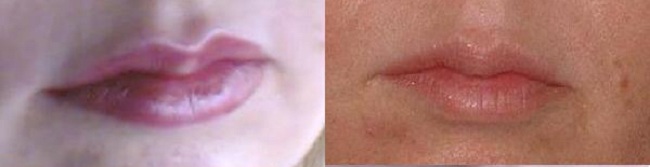
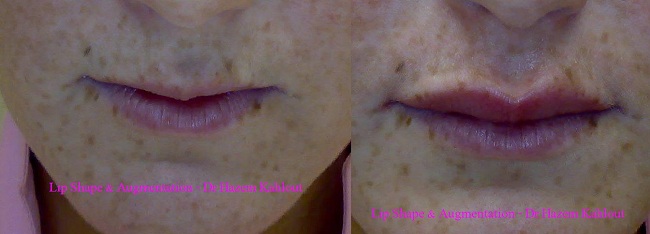
Filler can add volume to thin lips, restore fullness lost with age, define the border of the lip and the cupid’s bow, and even out small differences between the two sides. It can also soften the vertical lines that form above the lip, though those often respond better to other treatments, which I cover on my lip lines page.
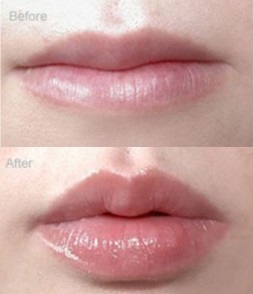
What filler can’t do is give you someone else’s lips. A shape that works on one face can look wrong on another. Lips that suit a 20-year-old rarely suit someone in their fifties, and I won’t try to make them. The aim is lips that fit your face, your age and your features.
If your upper lip disappears when you smile but has enough volume at rest, filler may not be the answer. A lip flip, which relaxes the muscle above the lip rather than adding volume, may suit you better. I explain the difference in my guide to the lip flip.
Why “trout pout” happens
The overfilled look people worry about comes down to three things: too much product, product placed at the wrong depth, or a filler that’s too firm for the lips. Lips are soft and move constantly, so a heavy-handed approach shows quickly.
I’d rather start with less. For a first treatment I usually use a modest amount and let it settle. If you’d like a little more after that, we can add it. Building up gradually gives a softer result than trying to get everything in one session.
Lip filler and how you feel about your lips
Lip filler is a small treatment, but how you feel about your lips is not a small thing, and I take that part as seriously as the injecting.
Social media plays a bigger role than most people realise. Seeing heavily edited or overfilled lips every day can slowly shift your sense of what normal looks like. Researchers call this perceptual drift. In a 2023 study of women whose lip filler had spread beyond the lip border, many described how larger lips gradually started to look normal to them, which drove them to want more. The swelling in the first couple of weeks after treatment can make this worse, because your eye gets used to a bigger lip before it settles.
For some people, the concern about their appearance runs deeper. Body dysmorphic disorder, or BDD, is a condition where a perceived flaw causes real and persistent distress, often over something other people barely notice. A 2024 review of 65 studies found signs of BDD in around one in five patients seen in plastic surgery and dermatology settings. For someone with BDD, filler rarely eases that distress. The flaw tends to persist or move to another feature, and the result never feels right. If I think that may be happening, I’ll talk about it openly and kindly, and the right next step may be support rather than more filler.
There’s also the emotional side of undoing filler. If lips look unnatural, the filler has moved, or the look simply no longer suits you, dissolving or adjusting it can be harder than people expect. Some feel anxious or embarrassed. Others feel a kind of grief for a face they’d got used to, or spend the healing weeks checking the mirror constantly. That’s normal, and I’ll take you through each step so you know what to expect while things settle.
0.5ml or 1ml?
Half a millilitre gives a subtle change. It suits a first treatment, a light top-up, or someone who mainly wants better definition. One millilitre gives more noticeable volume and shape, and it’s what most people need if their lips are naturally thin or have lost a lot of fullness.
I’ll recommend an amount at your consultation once I’ve looked at your lips at rest and when you talk and smile. Sometimes the right answer is 0.5ml now and more later.
The fillers I use
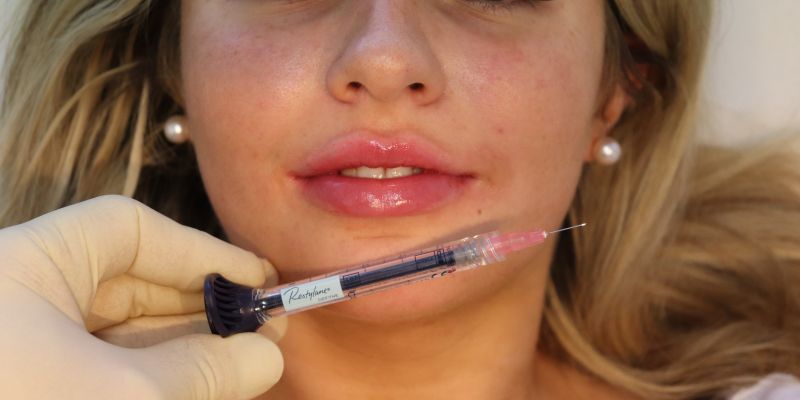
I use lip fillers from the Restylane, Juvéderm and Belotero ranges. Each brand makes fillers designed for lips, softer than the products used for cheeks or the chin, so they move naturally when you talk and smile. I choose the product to suit what we’re trying to change: volume, definition or both.
Your appointment
For numbing I use a lip block, a numbing injection I place so the whole lip is numb before I begin. It’s more reliable than numbing cream. Cream also distorts the surface of the lip and widens the small blood vessels, which makes it harder to judge the shape and makes bruising more likely. With a lip block, most people feel very little once the numbness has set in.
I work slowly, a small amount at a time, checking the shape as I go. Lips swell quickly during treatment, so I keep stepping back to look at the balance between the top and bottom lip and the two sides.
Recovery
A lip filler appointment takes about 30 minutes. We start by talking through what you’d like and looking closely at your lips from the front and the side. I check your medical history and any previous filler, then we agree a plan.
Expect swelling for the first day or two. It’s usually most noticeable the morning after treatment and settles over the following week. An ice pack in the first 24 hours helps. Bruising can happen but isn’t common, and when it does it usually fades within a week.
The numbness from the lip block wears off in the hours after treatment. You’ll leave with aftercare instructions, and most people go back to work the same day or the next.
Your lips will look their final shape at about two weeks, once the swelling has gone and the filler has settled.
Review and touch-ups
If you need a minor touch-up, I see you at around two to three weeks after treatment, once everything has settled. In my experience, when lips are treated carefully the first time, fewer than 2 in 100 of my patients need one.
How long does lip filler last?
In my experience, lip filler lasts around 6 to 12 months the first time. Lips move all day, so the visible effect fades faster here than in the cheeks or chin. After that first treatment, many of my patients go a year or two, or longer, before they want more.
For years, hyaluronic acid filler was described as lasting 3 to 12 months and then disappearing. MRI scans now show that some of it can stay under the skin far longer. In a 2024 study of 33 patients, scans found filler in the midface of every patient at least two years after their last treatment, in 12 of them more than five years later, and in one patient after 15 years. That study looked at the midface rather than the lips, but the point carries over: the plumpness you see can fade while some filler remains.
How quickly filler breaks down varies a lot from person to person. Metabolism, lifestyle and repeated treatments all play a part. It’s one more reason I prefer smaller amounts and never top up lips on a fixed schedule. Adding filler every six months because the calendar says so is how lips slowly become overfilled.
Who lip filler isn’t right for
I don’t treat anyone under 18. If you’ve had a baby, I ask you to wait at least six months after the birth. If you have a cold sore, it needs to have fully healed for at least a week before treatment, because injecting near an active cold sore can reactivate it and spread it.
If your lips are already overfilled, adding more risks the filler moving out of place and pressing on nerves and blood vessels. In that case I’ll talk honestly about what’s realistic, and sometimes the right advice is to wait, dissolve old filler first, or not treat at all.
If your lips are already overfilled, adding more risks the filler moving out of place and pressing on nerves and blood vessels. The same goes if the look you want won’t suit your face. In either case I’ll talk honestly about what’s realistic, and sometimes the right advice is to wait, dissolve old filler first, or not treat at all.
A small amount of lip filler can also help some people with a gummy smile, when a short or thin upper lip is part of the cause.
Risks
Lip filler is a medical treatment. Swelling and tenderness are common and short-lived, and some people bruise. Less commonly, filler can feel lumpy or move beyond the edge of the lip over time. My posts on lumps after lip filler and filler migration explain why these happen and how they’re treated. Hyaluronic acid filler can be dissolved if needed.
The most serious risk, though rare, is filler blocking a blood vessel. That’s why lip filler should only be done by a doctor who knows the anatomy of the lips and can recognise and treat a complication straight away.
Lip filler prices in Dublin
Lip filler at Castleknock Cosmetic Clinic starts from €300 for 0.5ml. One millilitre costs from €350 to €450, depending on the filler used. The price includes the doctor’s fee and the filler. You’ll find the full list on our cosmetic injection price list.
Lip filler FAQs
Does lip filler hurt?
With a lip block, most people feel very little during treatment. You’ll feel the numbing injection itself, which is quick, and some pressure as the filler goes in.
How long does lip filler last?
Usually 6 to 12 months the first time, and often longer after that.
Should I have 0.5ml or 1ml?
0.5ml gives a subtle change and suits a first treatment. 1ml gives more volume. I’ll advise you at your consultation.
When will I see the final result?
At about two weeks, once the swelling has settled.
Can lip filler be dissolved?
Yes. Hyaluronic acid filler can be dissolved if you’re unhappy with it or if a problem develops.
What’s the difference between lip filler and a lip flip?
Lip filler adds volume to the lip. A lip flip relaxes the muscle above the upper lip so more of the lip shows, without adding volume.
If you’d like to talk about lip filler, book a consultation at our clinic in Castleknock, Dublin 15. I’ll look at your lips, listen to what you’d like and tell you honestly what I think will suit you.