Cheek Fillers: Natural Lift, No Overfilled Look
You know that moment when someone in work says, “You look tired,” and you’re not tired at all? You slept fine. You feel grand. But in photos your face looks flatter and heavier than you remember, especially across the middle. More often than not, it isn’t your skin. It’s your cheeks.
And yet the biggest worry I hear in consultation isn’t looking tired. It’s looking done. Everyone has seen the overfilled, puffy cheeks, the so-called “chipmunk” look, and nobody wants to walk out of a clinic looking like someone else.
I’ve been treating faces at Castleknock Cosmetic Clinic since 1998, and cheek fillers in Dublin are still one of the treatments I’m asked about most. For me, the starting point is always facial harmony. I study your proportions first, then I work with your natural features, never against them. Overfilling is the one thing I’ll avoid at all costs.
So in this guide I’ll walk you through why cheeks flatten, which filler I actually recommend (and why it usually isn’t hyaluronic acid), how much you might need, and where filler stops being the right answer.
Why cheeks flatten with age
For years, we blamed gravity for almost everything. The real picture is a bit more interesting.
The fat in your cheeks isn’t one solid pad. It sits in several separate compartments, and research into how the facial fat compartments age shows each one shrinks and shifts at its own pace. That’s why one area can look hollow while the area just below it starts to look heavy.
The bone changes too. The cheekbone and the eye socket slowly thin with age, so the shelf that once held everything up gets smaller. Less shelf, less support.
Not everyone ages the same way, though. Some faces hollow, others droop, and plenty do a bit of both. I explain the difference in my blog on sinkers and saggers.
Put together, these changes turn the triangle of youth upside down. In a younger face the widest point sits across the cheekbones and the face tapers neatly to the chin. Over time, that width drifts lower, towards the jowls. Fast weight loss, including weight loss on GLP-1 medicines, can speed the whole thing up. That’s why so many people now come in describing a gaunt mid-face after losing weight.
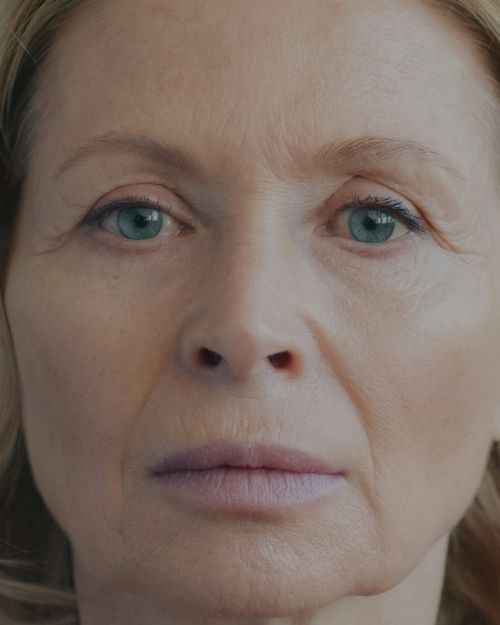
What cheek fillers can and can’t do
What cheek enhancement improves
Placed well, filler puts support back where it’s been lost. It can define the cheekbone, refill the apple of the cheek and soften the hollow underneath the cheekbone (the submalar area).
The bonus is what happens around it. Lift the cheek and the nasolabial folds usually soften, and the shadow of the tear trough often eases too. I’d much rather treat the cause above the fold than keep filling the crease itself.
Cheek fillers for men
With men, I’m not after roundness. I’m after structure: a stronger, flatter cheekbone that carries down into a cleaner jawline. Subtle matters even more here, because a man’s cheek that’s too round looks wrong very quickly.
Where filler stops working
Look, filler is brilliant for lost volume. It isn’t a lift for heavy, loose skin. If the main problem is sagging or jowls, more product just adds more weight. In that case a MiniLift, a Nefertiti lift or fat transfer will usually do you far more good. I’ll tell you honestly which camp you’re in.
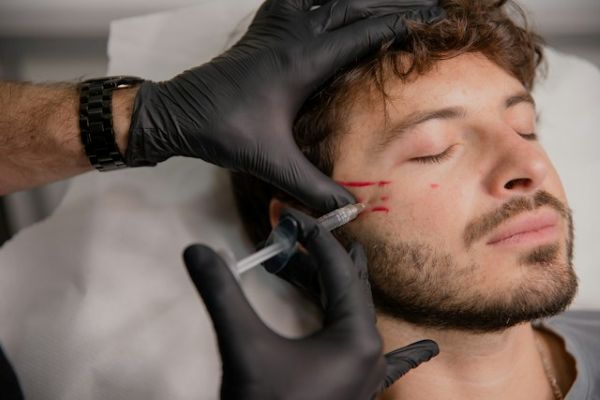
Why I prefer biostimulators for cheek fillers in Dublin
This is where I do things differently from a lot of clinics offering cheek fillers in Dublin, so bear with me.
Hyaluronic acid: good, but not my first choice for cheeks
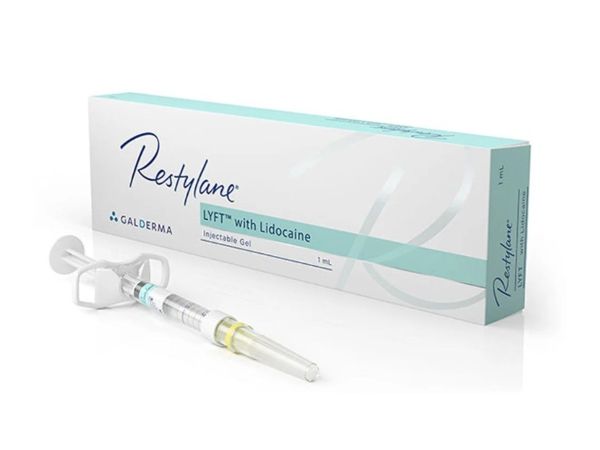
Hyaluronic acid (HA) fillers like Juvéderm Voluma and Restylane Lyft give an instant lift and are an excellent choice for many people. They can also be dissolved with an enzyme if needed, so it’s easy to see why they’re popular.
In the cheek specifically, though, HA tends to hang around far longer than the 12 months patients are usually told. MRI evidence shows mid-face HA filler persisting for years. In one study of 33 patients, filler was still visible anywhere from 2 to 15 years after treatment. Then the top-ups go in on top of the old product. In my experience, that extra weight drifts down over time with gravity and facial movement, and it adds heaviness to the lower cheek and jowls. So yes, the lift is real. It’s just temporary, and the cost to the face can quietly build up.
That’s why HA is available here, but it’s rarely what I reach for in the cheek.
Radiesse: support now, collagen later
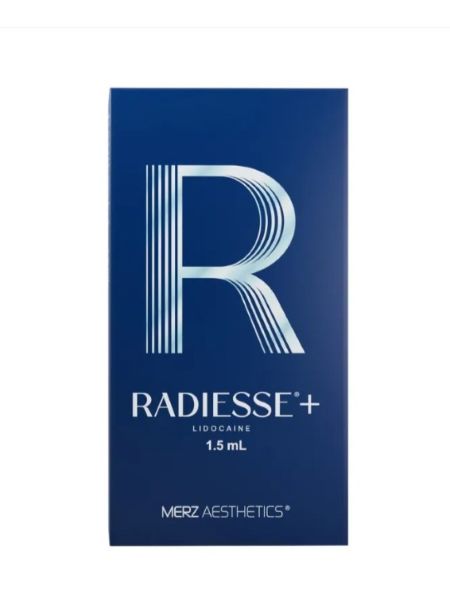
Radiesse (calcium hydroxylapatite) is my preferred cheek product. It gives structure straight away, and then it gets your own body making collagen. One MRI study of Radiesse in the cheek found the product had completely broken down by two and a half years, yet the extra volume was still there, because the body had replaced it with its own tissue.
A small 2021 study of 17 patients (Durkin and colleagues) also compared equal amounts of Radiesse and Voluma in the mid-face. At one year, 89% of the Radiesse group were rated “very improved”, against 37.5% of the Voluma group. It’s a small study, so I wouldn’t lean on it too hard, but it matches what I see. In my clinic, Radiesse cheeks usually last around 12 to 18 months.
Sculptra: the slow, natural reveal
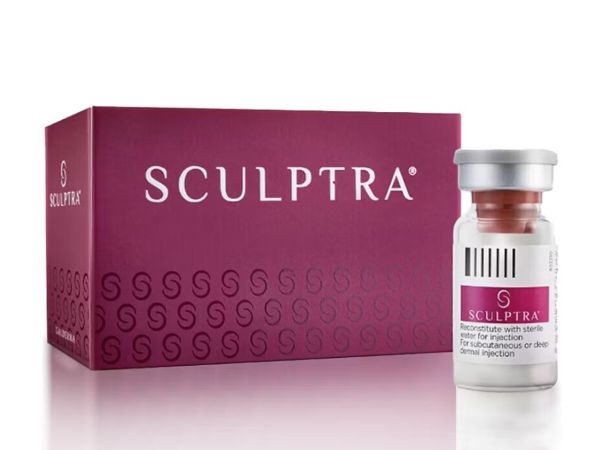
Sculptra (poly-L-lactic acid) works differently. You get almost no instant volume. Instead it rebuilds collagen gradually over three sessions, a month apart. The change creeps in so gently that friends tell you you’re looking well, not that you’ve had something done. In my experience it lasts around three years.
Ellansé: the liquid implant
Ellansé E is the longest lasting of the lot, at around four years. If you’ve been looking into cheek implants, this is what I call a liquid implant: long-term support without an operation.
| Product | How it works | Results | Lasts (in my experience) | Can it be dissolved? |
| HA (Voluma, Lyft) | Gel volume | Instant | Lift fades, product lingers | Yes |
| Radiesse | Volume plus collagen | Instant, then builds | 12 to 18 months | No |
| Sculptra | Collagen only | Gradual over months | Around 3 years | No |
| Ellansé E | Volume plus collagen | Instant, then builds | Around 4 years | No |
To be completely upfront with you, biostimulators can’t be dissolved. That’s exactly why the choice of product, where it’s placed and the experience of the doctor matter so much.
How much cheek filler do you need, and what affects the cost?
There’s no fixed “1ml per cheek” rule. The amount depends on how much support you’ve lost, the shape of your bone structure and which product suits you. Radiesse, for example, is often used at around 1.5ml per cheek, while Sculptra is planned as a course rather than by the syringe.
So the cost depends on the product, the amount and, with Sculptra, the number of sessions. And judge value by how long the result lasts, not the price per syringe. A cheaper product you’re topping up twice a year rarely works out cheaper in the end.
You’ll find current figures on our cosmetic injection price list, and Humm finance is there if you’d like to spread the cost.
Cheek fillers vs cheek implants
To be honest, I rarely see surgical cheek implants as the right answer today. They mean an operation, they can shift or feel unnatural, and they’re hard to adjust afterwards. For most people a long-lasting biostimulator like Ellansé gives a more natural, implant-like result, with your own collagen doing some of the work.
Your cheek augmentation appointment in Dublin
Everything starts with a consultation. I look at your whole face, not just your cheeks, because the cheeks, temples, jaw and chin all work together. Then we agree on a product and a plan, and you’ll know the cost before anything happens.
On the day, the treatment usually takes about 30 minutes. I prefer a fine blunt cannula in the cheeks. It usually means fewer entry points, less bruising and gentler placement around the blood vessels. A local anaesthetic keeps you comfortable the whole way through.
With Radiesse or Ellansé you’ll usually see a difference straight away. Some swelling for a day or two is normal, so I judge the settled result at around two weeks. Sculptra is the opposite; the improvement builds slowly over the following months.
Treatment isn’t suitable if you’re pregnant or breastfeeding, or if there’s an active skin infection in the area. We’ll go through your medical history properly at consultation.
Is cheek filler safe? Why a doctor matters
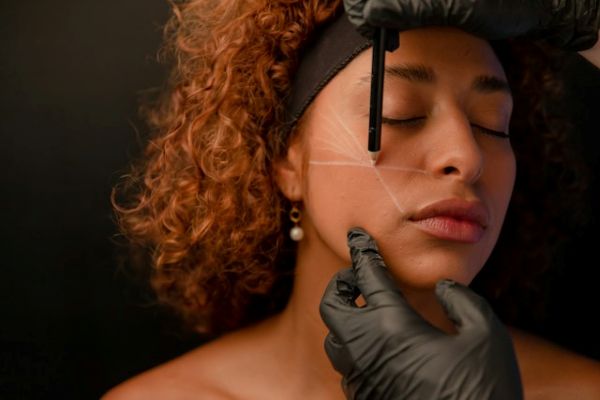
In experienced hands, cheek filler is a very safe treatment. But it’s still a medical procedure, and the mid-face has important blood vessels running through it. The most serious complication, vascular occlusion, is rare, and it needs to be recognised and treated immediately. That’s where anatomy, careful technique and a clear emergency plan come in.
Product quality matters just as much. The HPRA advice on dermal fillers suggests you ask your practitioner about their qualifications and where their products come from. Every product we use is genuine and comes through approved suppliers.
Then there’s the pillow face look. It almost always comes from too much product over too many visits. My approach is simple: less, placed better. And if you’re worried about lumps after dermal fillers from treatment elsewhere, we can look at that too.
Cheek filler aftercare
For the first few nights, try to sleep on your back. Skip strenuous exercise, saunas and alcohol for a day or two, don’t press on the treated area, and keep heavy glasses off your cheeks for a couple of days.
Sculptra asks a bit more of you, to be fair. You’ll need to massage the area for five minutes, five times a day, for five days. It’s a bit of a chore compared with Radiesse, which needs none of that, but it helps the product settle evenly.

Frequently asked questions
How long do cheek fillers last?
It depends on the product. In my experience, Radiesse lasts around 12 to 18 months, Sculptra around three years and Ellansé E around four years.
How much do cheek fillers cost in Dublin?
It depends on the product and the amount. A good starting point is 1ml per cheek. Current prices are on our price list, and you’ll get an exact quote at consultation.
Can cheek filler be dissolved?
HA filler can be dissolved with an enzyme. Biostimulators like Radiesse, Sculptra and Ellansé can’t, which is why choosing an experienced doctor matters.
Why don’t you recommend HA filler for cheeks?
HA gives a quick lift, but in the cheek it can linger for years and, in my experience, drift downward with repeated top-ups, adding heaviness. Biostimulators build your own collagen for a more natural result.
Will cheek filler lift my nasolabial folds?
Often, yes. Putting support back in the cheek lifts the tissue above the fold, which softens it at the source.
Is Radiesse or Sculptra better for cheeks?
Radiesse gives instant support plus collagen, while Sculptra gives a slower, gradual change over three sessions. I compare the two in more detail in Sculptra vs Radiesse, and we’ll decide together at consultation.
Are cheek fillers an alternative to cheek implants?
Yes. Long-lasting biostimulators like Ellansé give an implant-like result without surgery.
Thinking about cheek fillers in Dublin?
A good result comes down to the right product, the right amount and the right doctor. If you’d like an honest opinion on whether cheek fillers suit your face, or whether something else would serve you better, book a consultation at the clinic in Castleknock. Or, if it’s easier, arrange a video consultation with me directly. The fee comes off your treatment if you go ahead.
You can read more about my background on my doctor profile, and current prices are on our price list.


