IMO
Irish Medical Organisation
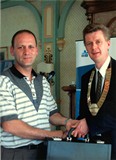
The role of the Irish Medical Organisation (IMO) is to represent doctors in Ireland and to provide them with all relevant services. It is committed to the development of a caring, efficient and effective Health Service
As member of the IMO Dr Hazem Kahlout attends all their regional meetings. He received an award for his achievment by the IMO President Dr Ronan Boland.
.
we hope you enjoy the contents…..

Until the next time,
Dr Hazem Kahlout
Ms Maggie Walsh
newsletter@castleknockcosmetics.ie
Photo of the week
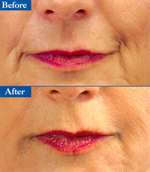
Marionette Lines
Discount Cosmetic Procedures! What’s the deal?
We all have dilemmas for the perfect present on special occasions. Few of us have the leisure to sort through shelves and racks of clothes for the perfect gift. Thanks to our e-world, we don’t have to. We simply hunker down over the computer, credit card in hand, searching for the latest, greatest and most original.
If you love her, don’t gift her with discount Injections
But, don’t make your gifts too original. Websites like City Deal and Groupon offer buyers discounts on products and services, including Botox for 50% off. For example, a Groupon offer for 20 to 40 units of Botox at a “Botox and Beauty Salon” in Dublin attracted 300 customers.
Prime Time reports that the Irish Medicines Board (IMB) has issued a warning about purchasing Botox from these websites because unapproved Botox and filler products from Eastern Europe and china have surfaced in beauty clinics in the Ireland. Most commonly, the products are diluted, so the effect is less than optimal, which is not what you’re paying for?
Watered-down toxin?
These watered-down Botox products might not work as well we do a lot of work fixing Botox problems. Dr Kahlout recommends looking for brands that are approved by the IMB: Botox cosmetic and Dysport. With Botox, make sure the word “cosmetic” is included.
Irish Medicines Board
If it’s being injected into your body, don’t be ashamed to ask to see the box. Botox cosmetic and Dysport are IMB and FDA approved. These approved products are more cost effective in the long run because they produce better and longer lasting results. To get the very best results from Botox and fillers find a registered doctor operating in a licensed medical facility. Have a consultation beforehand to determine if this is a good option for you and make sure your doctor is available for post treatment issues.
Topic highlight of the week…
Chemical Peels
A chemical peel is a body treatment technique used to improve and smooth the texture of the facial skin using a chemical solution that causes the dead skin to slough off and eventually peel off. The regenerated skin is usually smoother and less wrinkled than the old skin. Thus the term chemical peel is derived.
Types
There are several types of chemical peels. Peels differ in the depth of chemical penetration to the skin. The safer and lighter peels carry little or no downtime. However, results are limited to the toip layer of the skin. Deeper peels require anaeasthesia and sedation and carry some downtime, however they yield substantial corrective results.
Trichloroacetic acid (TCA) peels
Trichloroacetic acid (TCA) is used as an intermediate to deep peeling agent in concentrations ranging from 20-35%. Depth of penetration is increased as concentration increases, with 50% TCA penetrating into the reticular dermis. Concentrations higher than 35% are not recommended because of the high risk of scarring. Trichloroacetic acid peels:
- are preferred for darker-skinned patients over Phenol
- smooth out fine surface wrinkles
- remove superficial blemishes
- correct skin pigment problems
Trichloroacetic acid peels may:
- require pre-treatment with Retin-A or AHA creams
- require repeat treatment to maintain results
- require the use of sunblock for several months (this is a must)
- take several days to heal depending on the peel depth
Retinoic acid peel
Retinoic acid is derived from retinoids. This type of facial peel is also performed in the office of a cosmetic surgeon or a doctor in a medical clinic setting. This is a deeper peel than the beta hydroxy acid peel and is used to remove scars as well as wrinkles and pigmentation problems. It is usually performed in conjunction with a Jessner; which is performed right before, in order to open up the skin, so the retinoic acid can penetrate on a deeper level. The client leaves with the chemical peel solution on their face. The peeling process takes place on the third day. More dramatic changes to the skin require multiple peels over time.
Jessner’s peel
Jessner’s peel solution, formerly known as the Coombe’s formula,was pioneered by Dr Max Jessner, a German-American dermatologist. Dr Jessner combined 14% salicylic acid, lactic acid, and resorcinol in an ethanol base. It is thought to break intracellular bridges between keratinocytes. It is very difficult to “overpeel” the skin due to the mild percentages associated with the acid combination.
Alpha hydroxy acid (AHA) peels
Alpha hydroxy acids (AHAs) are naturally occurring carboxylic acids such as glycolic acid, a natural constituent of sugar cane juice and lactic acid, found in sour milk and tomato juice. This is the mildest of the peel formulas and produces light peels for treatment of fine wrinkles, areas of dryness, uneven pigmentation and acne. There are five usual fruit acids: citric acids (citrus-derived), glycolic acid (derived from sugar cane), lactic acid (although derived from milk, this is still considered a “fruit acid”), malic acid (derived from apples) and tartaric acid (derived from grapes). Many other alpha hydroxy acids exist and are used.
- Citric acid: Usually derived from lemons, oranges, limes and pineapples. These peels are simple and effective, although not incredibly invasive or capable of significant improvement with one treatment.
- Glycolic acid: Formulated from sugar cane, this acid creates a mild exfoliating action. Glycolic acid peels work by loosening up and exfoliating the superficial top layer. This peel also stimulates collagen growth. High strength peels are good in terms of efficacy but they irritate more. Some glycolic peels claim the use of strontium nitrate in order to try to reduce skin irritation. Nevertheless, strontium nitrate is a product which is strictly prohibited in cosmetic products since it has a high toxic potential.
- Lactic acid: This acid is derived from either sour milk or bilberries. This peel will remove dead skin cells, and promote healthier skin.
- Malic acid: This peel is the same type of mildly invasive peel derived from the extracts of apples. It can open up the pores, allow the pores to expel their sebum and reduce acne.
- Tartaric acid: This is derived from grape extract and is capable of delivering the same benefits as the above peels.
AHA peels are not indicated for treating wrinkles.
AHA peels may cause stinging, cause skin redness, cause mild skin irritation, cause dryness, and take multiple treatments for desired results.
Beta hydroxy acid (BHA) peels
It is becoming common for beta hydroxy acid (BHA) peels to be used instead of the stronger alpha hydroxy acid (AHA) peels due to BHA’s ability to get deeper into the pore than AHA. Studies show that BHA peels control oil, acne as well as remove dead skin cells to a certain extent better than AHAs due to AHAs only working on the surface of the skin. Salicylic acid is a Beta Hydroxy Acid


Testimonial
“When I moved to Dublin from Galway I noticed the advertising for Castleknock Cosmetic Clinic and started treatment for Rosacea. My skin was prone to adult acne. I thought it was due to menopause but in fact it was because of the Rosacea. My skin was very ruddy. For two years Maggie has been treating me and I really notice a difference in my skin. No more redness, no broken capillaries, and no more acne!
I’m thrilled and it is getting even better over time. I certainly can recommend the clinic. So you can say Chef Janet of The Satisfied Soul is very Satisfied!
Connie W.
Rosacea/Acne


Leave a reply