
Medically reviewed and updated by Dr Hazem Kahlout, November 2026
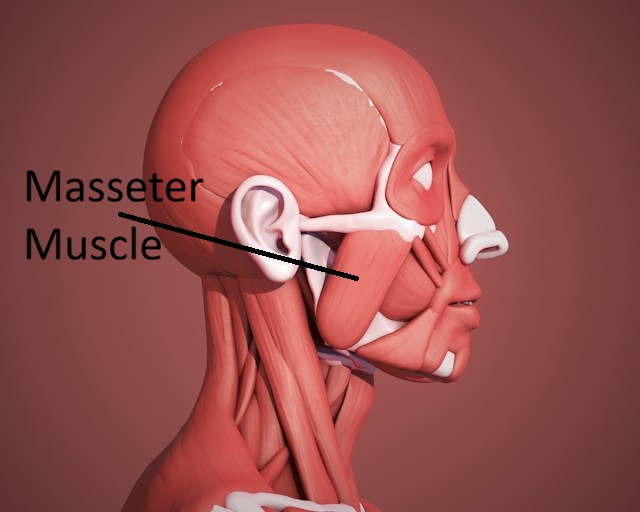
Most people who ask me about masseter injections want a slimmer, softer lower face. Others come because they clench or grind their teeth, wake with a sore jaw or get tension headaches, and their GP or dentist doesn’t offer the treatment. Often it’s both. Years of clenching make the chewing muscle at the angle of the jaw (the masseter) bigger, so a square jaw and a grinding habit tend to go together.
Masseter injections use a prescription anti-wrinkle treatment to relax that muscle. I see patients for them at Castleknock Cosmetic Clinic in Dublin 15, and below I explain who they help, who they don’t, and what to expect. You can see our other injectable treatments on the cosmetic injections page.
What jaw muscle injections can and can’t do
The injection relaxes the masseter. Over the following weeks a relaxed muscle shrinks, which narrows the lower face, and it clenches with less force, which eases grinding-related soreness.
It works on muscle only. It doesn’t change the jawbone and it won’t remove fat. That’s why the assessment matters as much as the treatment.
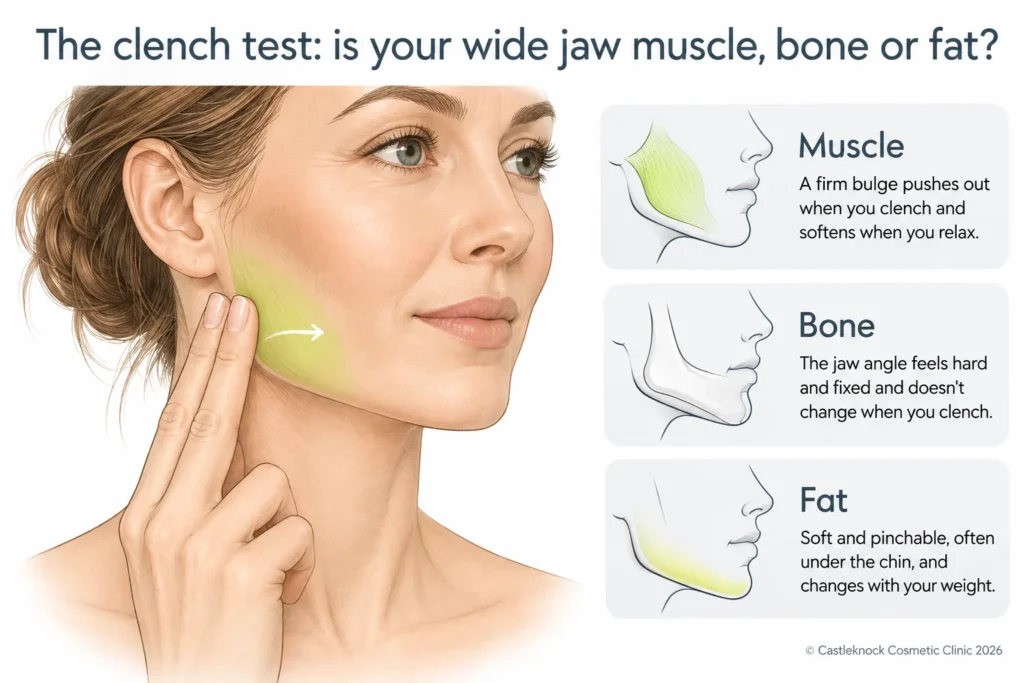
Is your wide jaw muscle, bone or fat?
Most wide jaws are a mix. You can get a rough idea in a mirror. Put your fingertips just in front of your earlobes, below your cheekbones, and clench your teeth.
- If a firm bulge pushes out under your fingers and softens when you let go, there’s a muscular part.
- If the angle of your jaw feels hard and fixed and doesn’t change when you clench, the width is mostly bone.
- If the tissue is soft, you can pinch it and it changes with your weight, it’s more likely fat, often under the chin as well.
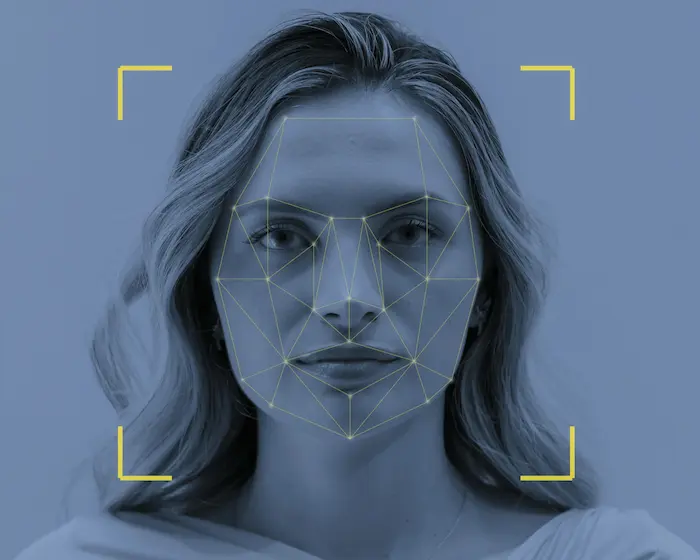
At your consultation I look at your face from the front, the side and at an angle, and I feel the muscle at rest and while you clench. When it’s a mix, I treat the muscle first and reassess. Any width still there afterwards is bone or fat. If the fullness is mainly fat under the chin, fat-dissolving injections may suit you better.
Clenching, grinding and jaw pain (TMJ)
Relief from clenching comes well before any slimming. Most people notice their jaw feels less tight and morning soreness eases within about two weeks.
Before I treat anyone for grinding, I ask about morning jaw ache, headaches, tooth wear and any clicking or locking of the jaw joint. Some of these belong with a dentist first. I’ll ask you to see your dentist before treatment if you have:
- worn or cracked teeth, or fillings and crowns coming loose
- a change in your bite, or dental pain or sensitivity
- trouble opening your mouth fully, or swelling
- signs that you grind in your sleep, or you snore
I’ll refer you instead of treating if the main cause is your bite, the jaw joint itself, a dental infection or another structural problem. The injections calm an overactive muscle. They don’t replace a night guard, dental care or treatment for the jaw joint.
Looking into V-line surgery?
A lot of people find this page after searching for V-line surgery. V-line surgery is jaw surgery: a maxillofacial surgeon reshapes the bone under general anaesthetic. It’s a completely different thing from an injection.
If your jaw is wide mainly because of bone, I’ll tell you plainly that injections won’t narrow it, and I won’t promise a V-line result. If there’s a muscular part, I can treat that with modest expectations. If surgery is what you want, I’ll refer you to a maxillofacial or craniofacial surgeon.
Combining jaw slimming with chin or jawline filler
Slimming the angle of the jaw and adding shape at the chin and jawline often work well together for the right patient. I do them in stages: masseter injections first, then filler around 4 to 6 weeks later, once the muscle has started to slim. That way we’re not adding volume to a jaw that’s still wider than it will end up, and we can reassess before you commit to filler. You can read more on our jawline and chin filler page. If what bothers you is a softer jaw edge or bands in the neck rather than width, the Nefertiti lift treats that area.
What happens at your appointment
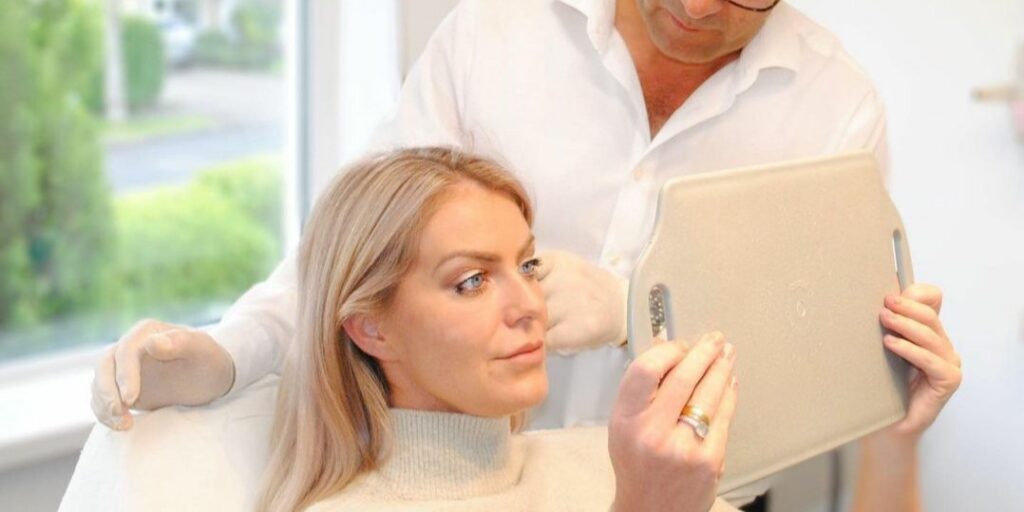
The appointment takes about 30 minutes. We talk through what you want and any symptoms, I examine your jaw, and I take photos so we can track the change. If what you’re hoping for matches what the treatment can do, we can usually treat on the same day.
You don’t need numbing. A few small injections go into each side, and a cool pack helps if your skin is sensitive.
Afterwards:
- stick to soft food for the first day, and go easy on chewy or hard food in the early weeks
- don’t massage or press on the area, and avoid exercise and lying flat for the rest of the day
Some tiredness when you chew tougher food over the first few weeks is expected and settles.

I see you for a review at 3 weeks to check the muscle has relaxed evenly, chewing is comfortable and clenching has eased. We compare photos again at around 3 months, though the timing varies from person to person.
When will I see results, and how long do they last?
Clenching and soreness ease within about 2 weeks. That relief usually lasts 3 to 4 months.
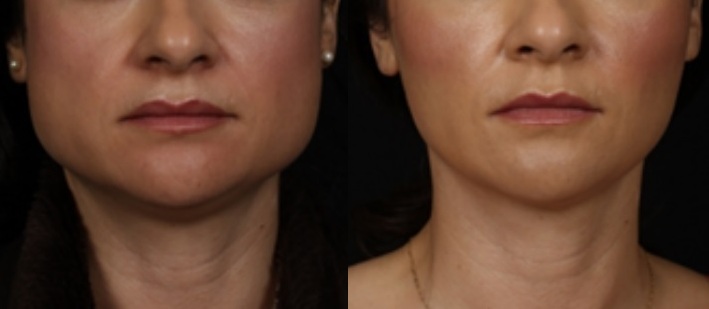
Slimming is slower, because the muscle has to shrink. It starts to show at around 6 to 8 weeks, is clearly visible by 8 to 12 weeks and is at its fullest at around 10 to 12 weeks. After one treatment it usually lasts 4 to 6 months.
In a 2026 trial of 370 adults with a wide lower face, a single treatment narrowed the lower face by an average of 5.24 mm at three months, with almost no change in the placebo group [1].
Most people need 2 to 3 sessions, 3 to 4 months apart, for the full effect. After that, many can space their top-ups to every 6 to 8 months. If you stop, the muscle gradually builds back up over roughly 6 to 12 months.
Side effects and risks
The most common side effect is tiredness when chewing tougher food in the first weeks. Bruising, tenderness where the injections went in and a mild headache are less common and settle on their own.
Rarer effects:
- an uneven or restricted smile, if the effect reaches the smile muscles nearby
- untreated parts of the muscle bulging when you chew
- a hollow look under the cheekbone, more likely in thinner or older faces
- more sagging along the jaw if you already have loose skin, because the muscle helps support the lower face
Very rarely, the saliva gland in front of the ear can become inflamed, or the effect can spread beyond the face and cause trouble swallowing, speaking or breathing.
Repeated high-dose treatment over years may affect bone density in the jaw, and stopping treatment has its own effects as the muscle returns. We’ll go through all of this at your consultation.
Who shouldn’t have it
I won’t treat you, or I’ll ask you to wait, if:
- you’re pregnant or breastfeeding
- you have a condition that affects nerves and muscles, such as myasthenia gravis, Lambert-Eaton syndrome or motor neurone disease
- you take certain antibiotics or other medicines that affect the muscles, so tell us about everything you take
- your jaw is wide mainly because of bone, in which case I’ll refer you rather than inject
- you already have a lot of loose skin or jowling
- you have an infection in the area or a dental infection
- you’re hoping for a dramatic, permanent V-line, until we’ve agreed on a realistic goal
Cost
The cost depends on your assessment. You can see our price list and I’ll confirm it at your consultation.
Book a consultation
Frequently asked questions
Does it hurt?
Most people feel a quick sting with each injection. You don’t need numbing, and a cool pack helps if your skin is sensitive.
How long until my jaw looks slimmer?
Slimming usually starts to show at 6 to 8 weeks and is at its fullest at around 10 to 12 weeks. Relief from clenching comes sooner, within about 2 weeks.
Will it stop me grinding my teeth?
For most people it reduces clenching and morning soreness for 3 to 4 months. It doesn’t replace a night guard if your dentist has recommended one, and it won’t fix a bite or jaw joint problem.
Will it affect my chewing or my smile?
Chewing tougher food can feel tiring for the first few weeks. An uneven smile is rare and wears off as the treatment wears off.
Is jaw slimming permanent?
No. If you stop, the muscle slowly regains its size over 6 to 12 months. Repeat sessions keep it smaller for longer.
Can injections replace V-line surgery?
No. Injections only slim muscle. If your jaw is wide because of bone, only surgery with a maxillofacial surgeon will change it.
Can men have masseter injections?
Yes, mostly for clenching and grinding. Many men want to keep a broad jaw, so we agree how much change you want before treating. There’s more on our anti-wrinkle treatment for men page.
Do I need to see my dentist first?
Only if there are signs of a dental or joint problem, such as worn or cracked teeth, a change in your bite or trouble opening your mouth. I’ll tell you at your consultation if that applies to you.
References
- Sun J, Wang L, Wu Y, et al. Aesthetic Surgery Journal. 2026;46(5):486–494. Read the study


