
Have you noticed small lines appearing at the sides of your nose when you smile, laugh or scrunch your face? You may have heard these called bunny lines on the nose. The name might sound unusual, but the lines themselves are very common. They are usually linked to the repeated movement of the small muscles around the nose.
At first, you may only notice them when you make certain facial expressions. Over time, however, they can become more noticeable when your face is relaxed. The good news is that understanding why your bunny lines are appearing is the first step in deciding what, if anything, needs to be done.
What Are Bunny Lines?
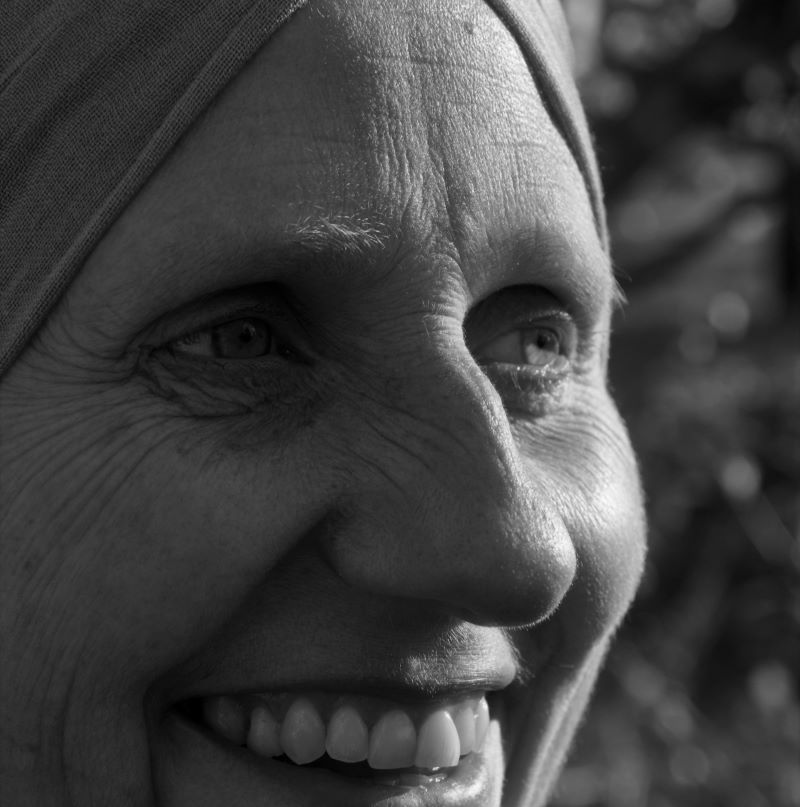
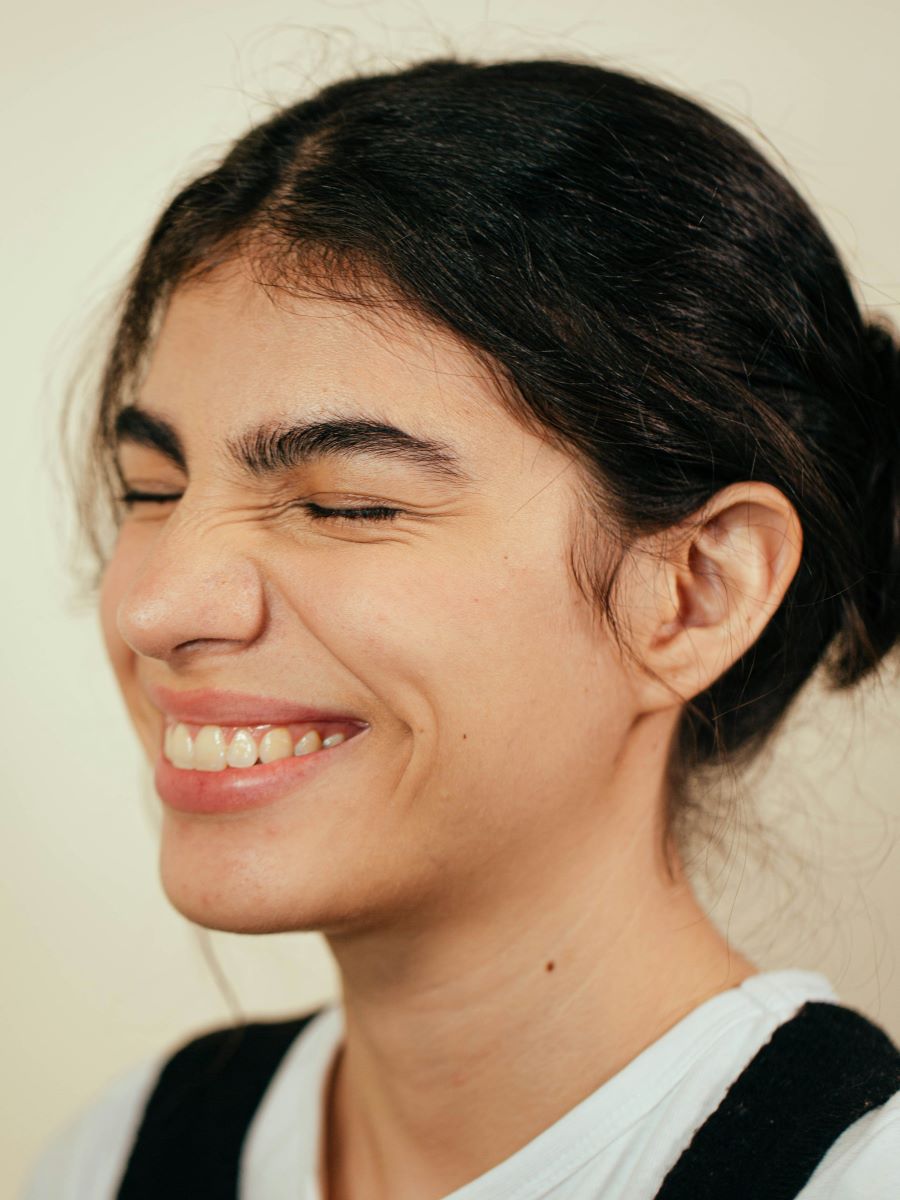
Bunny lines on the nose are small diagonal creases that appear on either side of the nose. They are usually most noticeable when you scrunch your nose, smile or make other strong facial expressions. The name comes from the way a rabbit’s nose wrinkles when it moves.
The main muscle involved is the nasalis muscle. Like other muscles in the face, it helps create normal facial expressions. Every time you move your nose in a particular way, the overlying skin also folds. That is not necessarily a problem. Facial movement is a normal part of having an expressive face. However, repeated movement can eventually leave lines that become more noticeable.
Why Do Bunny Lines on The Nose Appear?
There is usually no single reason. For some people, bunny lines are mainly related to facial movement. If you naturally use the muscles around your nose a lot when smiling or laughing, you may notice the lines earlier. Ageing can also play a role. As we get older, the skin gradually loses some of its collagen and elasticity. As a result, the skin may not return to its original position as easily after repeated movement.
When I was writing this blog one of my patients shared this trivia nugget with me. Vocalists constantly scrunching their nose when singing engages the nasalis muscle. Repeatedly contracting this muscle creates dynamic wrinkles on the sides and bridge of the nose, which can eventually etch into permanent bunny lines.
Sun exposure can contribute to the visible signs of skin ageing too. Daily sun protection is therefore useful, even in Ireland. Genetics also matter. Some people simply have more active facial muscles or skin that creases more easily. There is another point worth knowing. Sometimes, changes in the movement of one area of the face can make movement in another area more noticeable.
This is one reason why I prefer to look at the face as a whole rather than treating one wrinkle completely in isolation.

Are Bunny Lines Caused by Ageing?
Not necessarily so. Younger people can have bunny lines on the nose too. In fact, early bunny lines are often dynamic lines, meaning they appear when the face moves and become much less noticeable when the face is relaxed. Later, some expression lines can become more established. They may then remain partly visible even when the face is still.
This distinction matters because a line caused mainly by muscle movement is approached differently from a deeper crease caused by changes in the skin itself. So, rather than asking simply, “How old am I?”, it is more useful to ask, “What is causing the line?”
Can You Prevent Bunny Lines?
You cannot completely prevent facial wrinkles. After all, facial movement is normal and we should not try to stop ourselves from smiling or laughing. However, you can support the health of your skin. Daily sun protection is one of the simplest things you can do. Keeping your skin moisturised can also improve the appearance of fine lines.
Some people may also benefit from skincare containing retinoids or retinol, although these products are not suitable for everyone. If you are considering retinol, introduce it gradually and follow the advice appropriate for your skin. Retinoids can cause irritation and can increase sensitivity to sunlight. They should also be avoided during pregnancy.
Most importantly, don’t become overly concerned about every small expression line. The aim of skincare is to support healthy skin, not to remove every sign that your face moves.
What Is the Treatment for Bunny Lines?
If bunny lines are mainly caused by movement of the nasalis muscle, a medical wrinkle treatment that temporarily reduces muscle activity may be considered. This works differently from a cream or serum.
Muscle-relaxing treatment works by reducing the nerve signals that tell a targeted muscle to contract. This can soften lines that are caused by repeated muscle movement.
For bunny lines on the nose, the important question is not simply whether the treatment can relax a muscle. It is which muscle needs treatment, where it should be treated and how much treatment is appropriate. The area around the nose is small. It is also close to muscles involved in the upper lip and smiling. For that reason, precision matters. This is one of those treatments where a small area does not necessarily mean a simple treatment.
Why Does the Injection Technique Matter?
The muscles around the nose work together with nearby muscles involved in facial expression.
If treatment is placed incorrectly or too much muscle activity is reduced, the movement of nearby areas can temporarily change. In particular, the relationship between the nasalis and muscles around the upper lip is important. That is why I would not recommend approaching bunny lines as though they were simply another wrinkle that needs to be treated.
During an assessment, I look at how the patient’s nose and upper face move. I also look at the lines when the face is relaxed and when the patient makes different expressions. This helps establish whether the bunny lines on the nose are mainly dynamic or whether there is a more established change in the skin.
You can also read our guide on 3 things to consider before getting wrinkle treatment, which explains why experience, technique and realistic expectations matter when considering facial wrinkle treatment.
Is Wrinkle Treatment for Bunny Lines Suitable for Everyone?
The short answer is no. That is an important point. If your lines are very deep or visible even when your face is completely relaxed, reducing muscle movement may soften them but may not remove the crease completely. Likewise, if the appearance of the area is related to skin quality, volume changes or another issue, a different approach may be more appropriate.
This is why I would be cautious about anyone promising that one treatment will completely erase every bunny line. A good consultation should explain what the treatment can realistically improve and what it cannot.
Can Skincare Get Rid of Bunny Lines?
Skincare can help improve the overall condition and appearance of the skin, but it cannot directly stop the nasalis muscle from contracting. That distinction is important. Sun protection, and Demani Quench moisturising serum have appropriate active ingredients that can support healthier-looking skin. They may also help reduce some of the visible signs of premature skin ageing.
However, if the main cause of your bunny lines is repeated muscle movement, skincare and muscle-relaxing treatment are addressing two different things. For established expression lines, the underlying cause therefore needs to be considered rather than simply applying more products to the skin.
What About Dermal Fillers?
Dermal fillers are designed to add or restore volume. They are therefore quite different from muscle-relaxing treatments. A filler is not usually the first thing I would think about simply because someone has small expression lines beside their nose.
However, facial ageing is complex. In some patients, changes in facial volume or deeper folds elsewhere can affect the way surrounding tissues move and appear. That is why the correct treatment depends on what is actually causing the concern.
You can read more about dermal fillers and the different ways they can be used for facial contouring and volume restoration.
How Long Do Results Last?
When a muscle-relaxing treatment is used for facial expression lines, the effect is temporary. Results do not appear instantly. Some people begin to notice a change within several days, with the effect becoming more apparent over the following days.
The duration varies from person to person. Muscle strength, individual response and the area being treated can all make a difference. For that reason, it is better to think of this as a treatment that requires maintenance rather than a permanent correction.
Is Treatment for Bunny Lines Painful?
The treatment involves very small injections into the skin and underlying muscle. Most people describe the sensation as a brief pinch or sting. Because only a small area is being treated, the procedure itself is usually relatively quick.
There can sometimes be temporary redness, swelling or bruising around an injection site. If you have concerns about discomfort, discuss them with your doctor before treatment.
What Are the Risks?
As with any medical treatment, there are potential side effects. Minor effects can include redness, swelling, tenderness or bruising at the injection sites. Temporary asymmetry can also occur.
More importantly, treatment around the nose requires a good understanding of the surrounding facial anatomy because nearby muscles contribute to normal facial movement. This is one of the reasons I believe facial wrinkle treatment should be carried out following a proper medical assessment rather than treated as a routine beauty procedure.
In Ireland, medicines containing botulinum toxin are prescription-only medicines. A consultation with an appropriately qualified medical practitioner is an important part of considering this type of treatment.
What Should I Expect at a Consultation?
A good consultation should begin with listening. I want to understand what bothers you about the lines and, just as importantly, what you would like the result to look like. I then assess the area at rest and during facial movement. This helps establish whether the lines are mainly related to muscle activity or whether other factors may be involved.
We can then discuss whether treatment is appropriate at all. Sometimes the best advice is to leave an area alone. If treatment is appropriate, the goal should be a subtle improvement that still allows you to look like yourself.
Why Look at the Whole Face?
Your face does not work as a collection of separate compartments. The muscles around the nose interact with muscles around the eyes, cheeks and upper lip. Changes in one area can therefore alter the way another area moves. This is particularly relevant when treating expression lines.
At Castleknock Cosmetic Clinic, wrinkle treatment is part of a broader facial assessment rather than simply treating a line because it has been pointed out. You can read more about our approach to wrinkle injections and the treatment of facial expression lines.
Can Bunny Lines Come Back?
Yes, they can. Because the treatment does not permanently remove the muscle, movement gradually returns as its effect wears off. The lines may then become visible again.
That does not mean the treatment has failed. It is simply the temporary nature of muscle-relaxing treatment. Some people choose to repeat treatment when the movement and lines begin to return, while others decide they prefer to leave them alone. The decision is personal.
The Bottom Line
Bunny lines are usually small expression lines around the nose caused, at least in part, by movement of the nasalis muscle. They are completely normal. However, if you find them distracting, there are ways of reducing their appearance.
The most important step is to understand why your lines are there before deciding how to treat them. Skincare and sun protection can support the skin, while a medical muscle-relaxing treatment may help when muscle movement is the main cause.
If you are considering treatment in Dublin, the sensible starting point is a proper consultation with a registered medical practitioner. You should leave that consultation understanding what is causing your lines, what can realistically be improved and what the potential risks are.
Medically reviewed by Dr Hazem Kahlout, Medical Director, Castleknock Cosmetic Clinic. Dr Kahlout has practised aesthetic medicine since 1998 and is registered with the Medical Council of Ireland.
What do you think? Did you find this blog helpful? Why not join me for meaningful and educational social media posts on Instagram I’d love to hear your comments comments@castleknockcosmetics.ie or tweet me @dr_h_kahlout. If you found this blog helpful I’d appreciate a positive review on Google Review and our Facebook page.